
Click here to return to the Botany Textbook table of contents.
Chapter 10: The Architecture of Leaves
Stop what you’re doing and look at the closest plant. Really LOOK at it.
What do you see most? If you said “leaves,” you’re absolutely right.
Maybe it’s the giant leaves of a maple tree dancing in the breeze. Or the millions of grass blades carpeting a soccer field. Or the shiny leaves of a houseplant chilling on the windowsill. Even towering trees are basically just leaves held up by a woody support system.
Leaves are EVERYWHERE.
Here’s the part most people never realize: leaves power nearly all life on Earth.
Every breath you just took? The oxygen came from a leaf. That sandwich you ate for lunch? Started as sugars made inside a leaf. The hamburger you had for dinner? The cow ate grass. And grass is, you guessed it, leaves! Leaves aren’t just pretty decorations stuck onto stems. They’re the main food factories for nearly every living thing on Earth.
If leaves stopped working tomorrow, food chains would collapse. Oxygen levels would drop. Life as we know it would unravel fast!
Remember in Chapters 6 and 7 when we learned about roots digging deep for water? And in Chapter 8 when we discovered how stems act as the plant’s highway system? Well, those plant parts are basically support staff. Roots deliver the water. Stems lift everything into position. But leaves? They’re where the REAL magic happens.
In this chapter, we are not diving into the chemistry yet. That comes in the next chapter. Right now, we’re just going to look at leaves as structures. How they’re built. How they’re arranged. How they move and survive wind, heat, drought, hungry insects, and even brutal freezing winters.
By the time we’re done, you’ll never walk past a “boring” green leaf without thinking, “Whoa, that thing is incredible.”
Let’s start with the basics.
What Exactly IS a Leaf?
Okay, so this might sound like a dumb question. You know what a leaf is, right? That flat, green thing on plants?
But here’s the thing: not everything green and flat on a plant is actually a leaf. And some leaves aren’t even flat or green!
Let’s start simple. A leaf is an outgrowth from a plant’s stem that’s specifically designed to capture sunlight and make food. That’s its main job. Everything else is bonus.
Most leaves are flat because that gives them maximum surface area to catch sunlight, kind of like how solar panels are flat to catch as much sun as possible. And most are green because of chlorophyll (remember that word from Chapter 3?), the chemical that actually captures light energy.
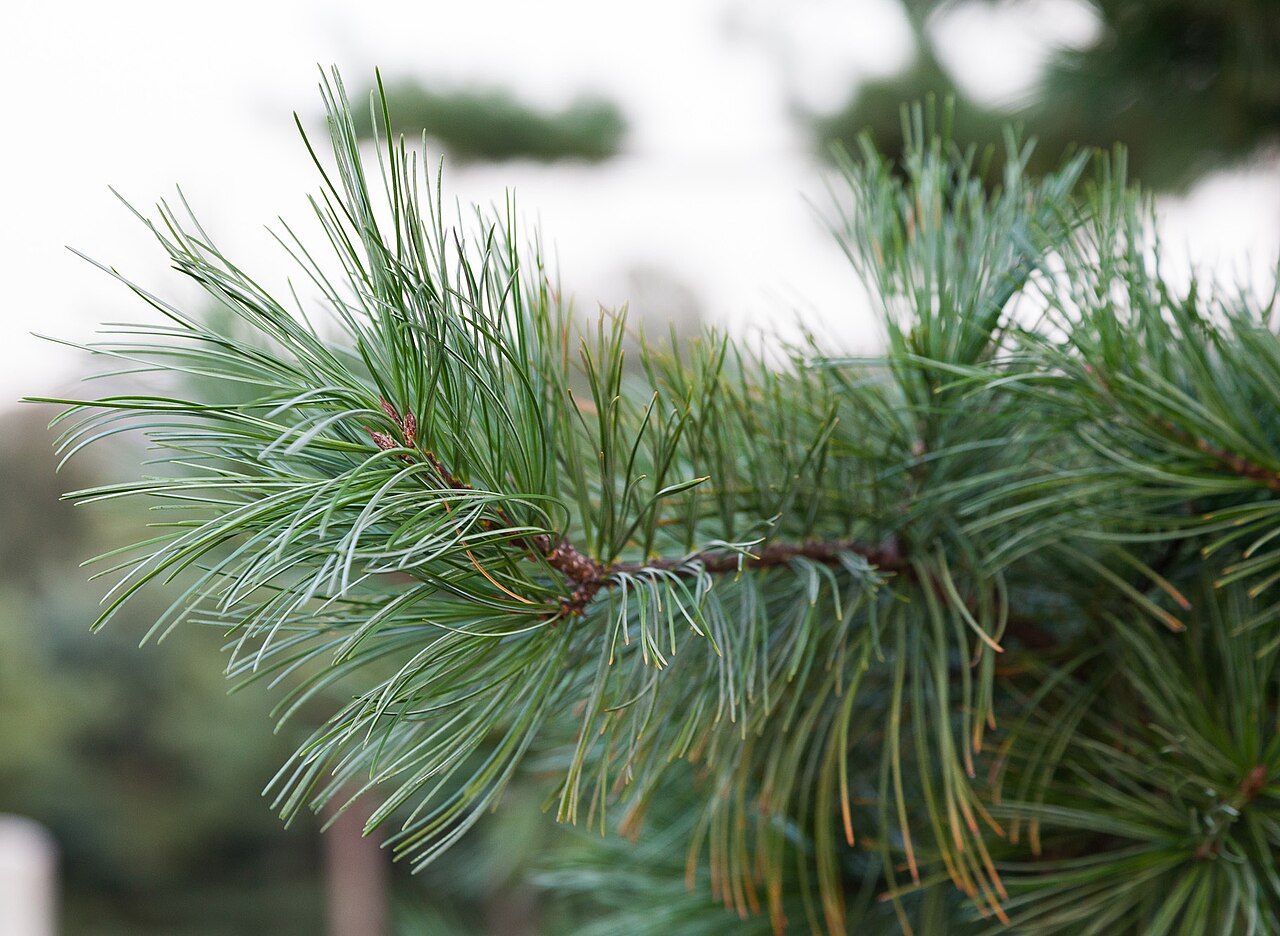
Some leaves are thick and round, like the puffy leaves on a jade plant. Some are needle-thin, like pine needles (yes, those are leaves!). Some leaves are purple or red instead of green. And get this: some plants have leaves the size of your fingernail, while others have leaves bigger than a dining room table!


The smallest leaves in the plant world belong to tiny floating aquatic plants called watermeal (Wolffia). Each leaf-like body is only about half a millimeter long, so small you may need a magnifying glass to see it clearly. The world’s largest? The Raphia palm can grow leaves over 80 feet long. That’s longer than many semi-truck trailers!


So, when we talk about leaves in this chapter, we’re talking about structures with one main purpose: catching light and making food. How they do it, what they look like while doing it, and how they survive the process? That’s what we’re about to discover.
The Basic Blueprint

At its core, a leaf is pretty straightforward: it’s a flattened plant organ that grows from a stem at a special spot called a node (we talked about nodes back in Chapter 7 when we learned about stem structure). Its main job? Capture sunlight and swap gases with the air.
Sounds simple, right?
But that basic description hides some seriously clever design.
Most typical leaves have three main parts working together:
The Blade (Also Called the Lamina)
This is the flat, wide part of the leaf that you probably think of when someone says “leaf.” It’s basically the leaf’s solar panel. The bigger and flatter it is, the more sunlight it can catch. That’s why leaves in shady forests tend to be huge and broad, while leaves in hot, sunny deserts are often small and narrow.


The word lamina comes from Latin and literally means thin plate or layer.
Pretty accurate name for something that’s basically a thin, flat plate designed to catch light!
But sunlight is only part of the job.
Leaves also need to take in carbon dioxide from the air and release oxygen. A thin, flat structure makes that gas exchange much more efficient than a thick, bulky organ would.
Wide. Thin. Flat. That design is doing important work.
The Petiole
This is the stalk that connects the blade to the stem. Think of it as the leaf’s neck. It might look like just a boring connector, but the petiole is actually doing some important jobs:
- It positions the blade at the perfect angle to catch sunlight. Leaves are arranged carefully along stems to avoid blocking each other. The petiole helps angle and space them properly.
- It provides flexibility. When wind blows, the petiole allows the leaf to move instead of tearing. That flexibility reduces damage and helps prevent the leaf from being ripped off during storms. You can test this yourself. Gently shake a branch. Notice how the leaves flutter and pivot. That motion protects them.
- It contains tiny tubes (xylem and phloem) that transport water and food between the leaf and the rest of the plant.
Not all leaves have petioles, though. Some leaves attach directly to the stem with no stalk at all. These are called sessile leaves (from the Latin word meaning “sitting”). They’re literally sitting right on the stem!

The Veins: Built-In Plumbing
Look closely at any leaf and you’ll see a network of lines running through it. Those aren’t just decorative. They’re veins, and they’re doing two critical jobs.
First, they’re the leaf’s plumbing system. Water comes up through the xylem in the veins, and food (sugars made during photosynthesis) travels down through the phloem to feed the rest of the plant.
Second, they’re the leaf’s skeleton. Without veins providing structure, the blade would just flop around like a wet paper towel. The veins act like scaffolding, keeping the blade flat and properly positioned to catch light.

Different plants have different vein patterns, and botanists actually use these patterns to identify plants! Monocots typically have parallel veins running side by side from base to tip. Grasses are classic examples.
Dicots usually have branching, net-like veins spreading outward from a central midrib.


Stipules: The Leaf’s Sidekicks
So far, we’ve talked about the blade, the petiole, and the veins. But some leaves come with bonus parts called stipules.
Stipules are small structures that grow at the base of the petiole, right where the leaf attaches to the stem. Think of them as little bodyguards stationed at the entrance.
What do they look like? That depends on the plant. Sometimes stipules look like tiny extra leaflets. Sometimes they turn into spines. Sometimes they’re thin papery scales. Sometimes they’re so small and forgettable that they fall off early in the leaf’s life, and you’d never even know they existed.


What’s the Point?
Stipules often act as baby leaf protectors. When a new leaf is still tightly furled inside a bud, the stipules wrap around it like a blanket, shielding it from damage, drying out, or getting nibbled by insects. Once the leaf expands and can take care of itself, the stipules often shrivel up and drop off. Job done.
But not always! In some plants, stipules stick around and get creative with their career choices:
- Photosynthesis helpers – Some stipules stay green and help make food alongside the main leaf. Free bonus solar panels!
- Thorns and spines – In plants like black locust trees and some acacias, stipules harden into sharp protective spines. Instead of protecting baby leaves, they protect the entire plant from being eaten.
- Tendrils – In some climbing plants (like certain peas), stipules turn into grabbing tendrils that help the plant climb.
- Food storage – A few plants use their stipules to store extra nutrients.
Here’s the thing: stipules aren’t universal. Plenty of plants don’t bother making them at all. Grasses? No stipules. Most monocots? Nope. But roses, peas, willows, and oak trees all have them.
When they’re present, botanists officially count them as part of the leaf, even if they look totally different from the blade and petiole.
So next time you look at a leaf, check the base where it connects to the stem. You might spot these little sidekicks hanging out, doing their thing quietly in the background.
Inside a Leaf: A Microscopic Powerhouse
From the outside, a leaf looks simple. Flat. Green. Quiet. But inside, it’s layered like a carefully engineered machine.
If you could slice a leaf super thin (like, thinner than a hair) and zoom in with a microscope, you’d see that a leaf isn’t just a flat green blob. It’s actually a multi-layered sandwich of specialized tissues, each one perfectly designed for a specific job. Let’s peel back the layers and see what’s really going on.
The Cuticle: Waterproof Armor
The very outer surface of most leaves is coated with a thin, waxy layer called the cuticle. You can’t see it with your naked eye, but it’s there, doing some seriously important work.
Here’s the problem leaves face: they need to exchange gases with the air (taking in carbon dioxide, releasing oxygen), but any opening that lets gases in also lets water vapor escape. It’s like trying to keep your house cool with the windows open – fresh air gets in, but so does the heat, and your air conditioning has to work overtime.
Plants face this same dilemma. Open up pores to get carbon dioxide for photosynthesis? Great, but water escapes. Seal everything shut to keep water in? Now the plant can’t get the carbon dioxide it needs to make food, and it starves.
The cuticle solves this problem. It acts like invisible shrink wrap, creating a waterproof barrier that dramatically slows water loss while still allowing light to pass through. Some plants in extremely dry environments have super thick cuticles (you can actually feel the waxy coating on succulent leaves). Other plants in humid rainforests have thin cuticles because water loss isn’t as big of a problem.
Fun fact: That shiny appearance on holly leaves or the white, powdery coating you can rub off a grape? That’s extra wax the plant deposited on top of its cuticle! Some plants produce so much of this waxy coating that you can actually see it and feel it. On holly leaves, it creates a glossy shine. On grapes, blueberries, and plums, it forms that dusty white coating that rubs off on your fingers.


The Epidermis: Protective Skin
Just beneath the cuticle is the epidermis, a thin protective layer of cells that covers both the top and bottom surfaces of the leaf. Think of it as the leaf’s skin.
Here’s what makes leaf epidermis clever: most epidermal cells contain almost no chloroplasts and are nearly transparent. Why? Because their job isn’t to make food. Their job is to let light pass through to the cells underneath where photosynthesis actually happens. It’s like having a clear protective case on your phone, you get protection without blocking the screen.
The epidermis does more than just let light through, though. It also contains something extremely important that we’ll talk about in just a minute: tiny adjustable openings called stomata. These are the leaf’s breathing pores, and they’re absolute game-changers.
But first, let’s go deeper.
The Mesophyll: Where the Work Happens

Beneath the epidermis lies the mesophyll, and THIS is where the magic happens. This layer is absolutely packed with cells containing chloroplasts, those amazing organelles we learned about back in Chapter 3 that capture light energy and build sugars.
Mesophyll comes from the Greek words:
- meso meaning middle
- phyllon meaning leaf
That makes perfect sense when you think about where it is. The mesophyll is the middle layer of the leaf, sandwiched between the upper and lower epidermis.

Botany vocabulary might look intimidating at first. It’s not. It’s just Greek and Latin wearing a lab coat.
Once you learn some root words, you can decode plant terms like a scientist.
Let’s start with one you just learned.
Mesophyll
- meso- = middle
- phyll = leaf
“Middle leaf”
That makes sense because mesophyll is the middle layer of the leaf.
Now try these:
Chlorophyll
- chloro- = green
- phyll = leaf
“Green leaf”
It’s the green pigment found inside leaves.
Phyllotaxy (or phyllotaxis)
- phyll = leaf
- taxis = arrangement
“Leaf arrangement”
Aphyllous
- a- = without
- phyll = leaf
“Without leaves”
Used to describe plants that lack visible leaves.
Megaphyll
- mega- = large
- phyll = leaf
“Large leaf.”
Microphyll
- micro- = small
- phyll = leaf
“Small leaf.”
See the pattern?
When you see -phyll, think leaf.
When you see meso-, think middle.
When you see chloro-, think green.
Botany words are not random. They are clues.
Once you know word roots, you aren’t memorizing vocabulary. You’re translating it!
The mesophyll is like the engine room of the leaf. Everything else, the cuticle, the epidermis, the veins, is basically support staff making sure this layer can do its job efficiently.
In most leaves, the mesophyll has two distinct zones, and each one is designed differently:
- Palisade Mesophyll – This layer sits right under the upper epidermis, and it’s packed with tall, column-shaped cells standing upright like soldiers in formation. These cells are crammed full of chloroplasts (sometimes 30-50 per cell!), positioned perfectly to catch the sunlight streaming in from above. This is the leaf’s primary solar array, the heavy-duty photosynthesis zone where most of the food-making happens.
- Spongy Mesophyll – Below the palisade layer is a very different arrangement. The spongy mesophyll has irregularly shaped cells loosely scattered with lots of air spaces between them. It looks kind of like a biological sponge (hence the name). These cells still do photosynthesis, but they’re spaced out to create an internal network of air pockets.
Here’s the picture from above again, so you can reference what I’m talking about:
Why the air spaces? Because gases need room to move around.
Carbon dioxide is a gas in the air that plants use as a raw material to build sugars. It has to diffuse through the leaf to reach the cells that are doing that work. Oxygen, which is produced during that process, needs a pathway to escape.
The spongy mesophyll creates an internal highway system that allows these gases to move efficiently throughout the leaf.
Think of it this way: the palisade layer is like a densely packed solar farm maximizing light capture. The spongy layer is like a well-ventilated warehouse with plenty of room for air circulation. Both are essential.
Veins Running Through It All
Picture a city with roads running everywhere, delivering supplies and picking up products. That’s basically what’s happening with the veins woven throughout the mesophyll.
Remember how we said veins are the leaf’s plumbing and skeleton? Now you can see them in action, threading through both the tightly-packed palisade layer and the spongy air-filled layer below.
The xylem tubes are like tiny water pipes branching out everywhere, making sure every single photosynthesizing cell gets the water it desperately needs. No water? No photosynthesis. It’s that simple.
The phloem tubes are doing the opposite job – they’re the pickup trucks collecting all the sugars that photosynthesizing cells are cranking out and hauling them away to feed the roots, stems, flowers, and growing parts of the plant. Without phloem, all that food would just pile up in the leaves with nowhere to go.
And here’s something cool: as water moves through the xylem tubes in the veins, some of it evaporates into those air spaces in the spongy mesophyll. This creates humidity inside the leaf and plays an important role in a process we’ll talk about soon.
Stomata: The Leaf’s Adjustable Doors
Now we come to one of the coolest features of leaves: stomata (singular: stoma, from the Greek word for “mouth”).
Look at the underside of most leaves, and you’re looking at thousands of microscopic pores. You can’t see them without a microscope, but they’re there, dotting the lower epidermis like tiny invisible mouths. A single leaf might have tens of thousands of stomata!

Each stoma (that’s one pore) is surrounded by two special guard cells that work like adjustable valves. When guard cells fill with water, they swell up and bow outward, creating an opening between them. When they lose water, they deflate and press together, sealing the opening shut.

- Open stoma = gases can move in and out. Carbon dioxide enters (needed for photosynthesis), and oxygen exits (waste product from photosynthesis). Water vapor also escapes, which is unavoidable.
- Closed stoma = gas exchange stops, but water stays in the plant.
Here’s the constant balancing act:
Open the stomata too much, and the plant makes lots of food but might dry out and die. Close them too tightly, and the plant conserves water but can’t get the carbon dioxide it needs to make food, so it starves.
Leaves are constantly adjusting their stomata, opening and closing them thousands of times based on light levels, temperature, humidity, and how much water the plant has available. It’s a delicate trade-off happening every second across every single leaf.
Most plants open their stomata during the day (when photosynthesis is happening and they need carbon dioxide) and close them at night (when there’s no light for photosynthesis anyway, so why waste water?).
But here’s something I briefly mentioned in the last chapter: desert plants often do the OPPOSITE. They close their stomata during the scorching hot day to prevent water loss and open them at night when it’s cooler and less water will evaporate. They capture carbon dioxide at night and store it, then use it for photosynthesis the next day. It’s like shopping for groceries at night and cooking the next morning!
That’s not random. That’s strategy.
Without stomata, plants couldn’t breathe, couldn’t photosynthesize, and couldn’t exist. These microscopic adjustable doors are absolutely essential to plant life.
All of this structure, the cuticle, the epidermis, the mesophyll, the veins, and the stomata, exists for one ultimate purpose: to turn light into chemical energy.
Let’s watch a quick video to review the inner parts of a plant leaf:
Transpiration: The Invisible Water Elevator
Remember how we said water evaporates into those air spaces in the spongy mesophyll? Well, that escaping water isn’t just disappearing randomly. It’s actually part of an incredibly clever system that helps move water throughout the entire plant.
This process is called transpiration, and it’s basically water evaporating from inside the leaf and escaping through the stomata. Think about if you were to hang wet clothes on a clothesline. The water doesn’t just stay in the fabric forever. It slowly disappears (evaporates) into the air, even though you can’t see it leaving. That’s the same thing happening inside leaves, except it’s happening constantly, microscopic water molecule by microscopic water molecule.
Before moving on, let’s make sure you know what evaporation is by watching this short video. Note to those who don’t believe in evolution: The video mentions “billions” of years at the very end.
Transpiration comes from the Latin words:
• trans meaning across, through, beyond
• spirare meaning to breathe
• -ation (Latin noun ending) meaning the act or process of
Literal meaning:
the process of breathing across or through
Why this makes sense in plants:
Transpiration describes water vapor “breathing out” of a plant, moving through the leaf and out into the air, especially through the stomata. The word was borrowed from the idea of breathing long before scientists fully understood plant water loss.
Every time a water molecule evaporates out of a leaf, it creates a tiny bit of empty space. That empty space creates tension, kind of like when you suck on a straw and create suction. This tension doesn’t just affect the leaf. It tugs on the entire column of water inside the xylem tubes running through the stem and down into the roots.
Think of it this way. Imagine the plant’s xylem as a really long straw filled with water, stretching from the roots all the way up to the leaves. Now imagine someone at the top of that straw (the leaf) constantly sipping water out. Every sip creates a pull that travels all the way down the straw, yanking more water up from the bottom.
That’s exactly what transpiration does.
Every time a leaf loses water through its stomata by way of evaporation, it pulls on the water column inside the xylem tubes. And because water molecules like to stick together, when one water molecule gets pulled up, it drags the molecules below it along too. The whole column moves up like a chain being pulled.
Let me explain a bit more in depth:
Water molecules are slightly sticky. They attract and cling to each other because of their electrical charges. This property is called cohesion. Because of cohesion, water inside the xylem behaves like a continuous chain rather than separate beads.
The next video explains some of the science as to WHY water molecules stick together. Watch it before reading the paragraph next to it.
When the top water molecule is pulled upward to replace what was lost, it tugs on the molecule below it. That molecule pulls on the one below it. And so on, all the way down the stem and into the roots. This creates an upward flow from roots to leaves, powered entirely by evaporation at the top.
Instead of water moving in little steps, the entire water column shifts upward at once, like a chain being lifted from one end. The roots do not need to push the water up. They simply supply more water at the bottom to replace what was pulled upward from above.
Imagine a long rope hanging down a well. If you pull the rope at the top, the bottom moves too. The rope is continuous, just like the column of water in the xylem.
This is how plants move water to incredible heights without pumps, muscles, or hearts. A tall tree is lifted entirely by evaporation from its leaves and the stickiness of water itself.
The Whole Plant Is Connected
Here’s where everything we’ve learned starts to click together.
You’ve already learned that roots are constantly absorbing water from the soil. That water enters the xylem tubes in the roots.
You also learned that stems contain xylem running from the roots all the way up to the leaves, like internal plumbing.
Now you know that leaves are losing water through transpiration, creating tension that pulls more water up from below.
It’s all connected! The roots supply the water. The xylem in the stems acts as the pipeline. And the leaves create the pulling force that moves everything upward. Without any pumps, motors, or moving parts, plants can lift water hundreds of feet into the air, from the deepest roots to the highest leaves on a tree.
Every time a leaf opens its stomata to get gases for photosynthesis, some water escapes. That escaping water creates tension. That tension pulls on the xylem. And that pull brings fresh water and dissolved minerals up from the roots to replace what was lost.
It’s like a continuous rope being pulled through the plant, powered entirely by evaporation.
Pretty amazing for something you can’t even see happening, right?
The following video explains transpiration in action. The image quality isn’t ideal, but it does an excellent job illustrating the cohesion of water molecules as they move through the plant.
Leaf Arrangement: Nothing Random Here
Leaves don’t just pop out randomly wherever they feel like it. Their placement is actually strategic and it’s called phyllotaxy.
Remember this?
Phyllotaxy (or phyllotaxis)
- phyll = leaf
- taxis = arrangement
So phyllotaxy literally means “Leaf arrangement.”
Next time you’re outside, look at how leaves attach to a stem. You’ll notice they follow specific patterns. This isn’t random. This is plants playing 4D chess with sunlight.
Here’s the problem every plant faces: you need as many leaves as possible to make food, but if leaves block each other, the shaded ones become deadweight. They’re not making enough food to justify their existence. So, plants have clever arrangements to pack maximum leaves onto a stem while making sure each one gets light.
 | Alternate: The Spiral Staircase This is where there is one leaf per node, alternating sides as you climb the stem. Left, right, left, right, spiraling upward like a spiral staircase. Oak trees, sunflowers, and corn do this. Why? Because each leaf is slightly rotated from the one below it, so they don’t stack directly on top of each other. Sunlight can filter through the gaps. It’s like arranging solar panels at different angles so they don’t shade each other. |
 | Opposite: The Partner System This system features two leaves per node, growing directly across from each other like dance partners. Maples, mint, and basil use this strategy. Some plants with opposite leaves rotate each pair 90 degrees as you move up the stem, creating a cross pattern when you look down from above. If every pair lined up the same way, the upper leaves would completely block the lower ones. But by rotating each pair, they create windows for light to slip through. Smart. |
 | Other plants with opposite leaves don’t bother rotating at all. They just stack pairs directly above each other. You’d think this would create a shading disaster, but these plants usually have other tricks, like longer internodes (more space between nodes) or smaller leaves that don’t completely block the pair below. |
 | Whorled: The Wheel A whorled pattern is three or more leaves arranged in a circle around the same node, like spokes on a wheel. Some milkweeds and catalpa trees do this. It’s basically the opposite pattern cranked up to maximum. Instead of two leaves sharing space, you’ve got three or four, all evenly spaced around the stem so nobody gets completely blocked. And just like opposite leaves, the whorls rotate as you go up the stem. |
Rosette: The Ground-Level Solar Panel
Some plants skip the tall stem entirely and just arrange their leaves in a tight spiral at ground level. Think of dandelions, lettuce, or cabbage.
Why bother growing tall when you can just sprawl out flat and hog all the light near the ground? Each leaf spirals outward from the center, positioned to catch maximum sun while also shading out any competitors trying to grow nearby. It’s aggressive and efficient.
Plus, staying low to the ground means the plant doesn’t waste energy building a stem. All that saved energy goes into making more leaves or storing food underground. Dandelions basically said, “Why spend resources on height when I can just dominate at ground level?”
A rosette pattern is also super common in biennial plants. It helps them survive winter (protected close to the ground) and build up food reserves before shooting up to flower and make seeds.

Why Any of This Matters
All these patterns are solving the same challenge: how do you cram as many solar panels (leaves) onto a limited structure (stem) without them blocking each other?
Good leaf arrangement means:
- No self-sabotage – Upper leaves don’t shade lower ones into uselessness
- Maximum energy capture – More efficiently arranged leaves = more total photosynthesis happening
- Better storm survival – Wind can flow through gaps between leaves instead of slamming into a solid wall and snapping the stem
Next time you walk past a plant, really look at how the leaves are arranged. You’re not seeing random chaos. You’re seeing an engineering solution to a physics problem.
That maple tree isn’t just pretty. It’s a precisely organized light-capture system that would make a solar panel designer jealous.
Leaf Shapes and Margins: Welcome to Plant Detective School
Okay, this is where botany gets fun.
Up until now, we’ve been talking about leaf parts and arrangements like we’re reading an instruction manual. But here’s where you get to become a plant detective, because leaf shapes are like fingerprints. Once you know what to look for, you can identify trees and plants just by glancing at their leaves.
And trust me, once you start noticing these patterns, you won’t be able to stop. Every walk outside becomes a scavenger hunt.
Simple vs. Compound: One Blade or Many?
First big question: is this leaf one piece or multiple pieces?
 | Simple leaves have one blade attached to one petiole. The blade might be lobed, wavy, or cut up into sections, but it’s still technically one continuous piece. Maples, oaks, and most houseplants have simple leaves. |
 | Compound leaves are trickier because they look like a bunch of separate leaves, but they’re actually all part of ONE leaf. |
Here’s what’s happening: instead of one big blade, the leaf is divided into multiple smaller sections called leaflets. All these leaflets are attached to one main stalk called the rachis. The whole cluster together – the rachis plus all the leaflets – counts as a single leaf.
Rachis comes from the Greek word rhakhis meaning spine, backbone, or ridge.
Once you move past the first pair of leaflets, the petiole (leaf stalk) technically becomes the rachis. It is the extension of the petiole that bears the leaflets. Think of it like the spine of a feather, with the leaflets being the individual barbs branching off on both sides.

Notice that each leaflet in the compound leaf image above has its own little connection to the rachis. That is called a petiolule.
Root words of petiolule:
• petiol-
from Latin petiolus
meaning small foot or little stalk
• -ule
a Latin diminutive suffix
meaning small
So petiol-ule literally means:
small stalk that is even smaller
Why the name makes sense:
• Petiole = stalk of the whole leaf
• Petiolule = stalk of a leaflet
• The word uses a double diminutive. A double diminutive is a word that uses two “smallness” markers at the same time to mean very small or smaller than usual.
Instead of saying “small” once, the language stacks it twice.
So how do you tell if you’re looking at one compound leaf or multiple simple leaves growing close together?
How to solve the mystery of a single leaf vs. a compound leaf (The “Bud Test”):
If you are staring at a branch (or stem) and can’t tell if you’re looking at one big compound leaf or a branch with many small simple leaves, look for the axillary bud:
- Look at the “crotch” (the angle where the leaf stalk meets the woody branch).
- If you see a small, bumpy bud there, everything attached to that stalk is one leaf.
- If you look at the base of the individual green “leaflets” and there are no buds, they are part of a compound leaf.
Note: Buds only form where the leaf meets the stem, never where a leaflet meets the rachis.
Let’s do a quick test. Click on each image below to zoom in and examine it closely. Which one shows a true compound leaf? Which one shows several individual leaves attached to a stem that only look compound at first glance? Look carefully for the clues. When you are ready, check below the images for the answer.
Phyllanthus:

White ash:

Here is the answer:
In the first image of the Phyllanthus, look closely at where each leaf meets the stem. Each leaf has a bud at its base. If you were to pluck the leaves off the stem, those buds would still be there, showing that each one is a separate leaf.

This image shows single leaves attached directly to a stem. It is not a compound leaf.
In contrast, in the ash leaf, the leaflets attach to the rachis, and there are no buds where those leaflets connect. That missing bud is the key clue that tells you the second image shows a true compound leaf, not the first. 😉

Let’s try another image and see if you can guess correctly. Does the following image show simple leaves or a compound leaf?

If you guessed compound, you are correct! It can feel strange at first, but those five leaf-like parts are actually leaflets. Together, they make up a single leaf.
Roses, walnuts, ash trees, and poison ivy all have compound leaves.
Wait, poison ivy? Yep! Have you heard that old warning rhyme, “Leaves of three, let it be”? It’s actually referring to poison ivy’s compound leaf, which has three leaflets. So technically the rhyme should say “Leaflets of three, let it be,” but that doesn’t sound as catchy. The point is the same though: if you see a plant with three shiny leaflets all attached to one stalk, don’t touch it! That’s ONE compound leaf of poison ivy, and touching any part of it can give you an itchy, blistering rash. A couple more rhymes that help identify poison ivy are:
- A hairy vine is no friend of mine. Poison ivy often grows as a climbing vine with fuzzy, hair-like rootlets that help it stick to trees, fences, and walls. Those “hairs” are a big clue you are not looking at a harmless vine like grapes or Virginia creeper. If you see a vine that looks hairy or fuzzy clinging to a surface, it is safest to stay far away.
- Longer middle stem, don’t touch them. In poison ivy’s compound leaf, the middle leaflet has a noticeably longer stalk than the two side leaflets. This uneven setup is a reliable identification clue. Many harmless three-leaf plants have leaflets that attach more evenly, but poison ivy’s longer middle petiolule is a red flag.
Let’s take a quick detour to see how to identify poison ivy:
Some compound leaves get really wild. They branch multiple times, creating leaflets off of leaflets. These are called doubly compound or even triply compound leaves. Mimosa trees and some ferns do this. It’s like a leaf decided to become a whole miniature tree.

Leaf Margins: Smooth, Wavy, or Armed for Battle?
Now look at the edge of the leaf blade. Botanists call this the margin, and it comes in a shocking variety of styles.
Margin comes from the Latin word marginis meaning of the edge, border or boundary.
Margin literally means the edge or boundary of something, which is exactly how the word is used in plant science.
In this case we are talking about the edge of a leaf.
  | Smooth (Entire) Margins – The edge is completely smooth with no bumps, teeth, or cuts. It’s like someone traced the leaf with one clean line. Magnolias, dogwoods, and rubber plants have smooth margins. |
  | Serrated (Toothed) Margins – The edge looks like a saw blade, with sharp little teeth pointing outward. Elms, birches, and most rose leaflets are serrated. Some are finely toothed (tiny sharp points), others are coarsely toothed (big aggressive chompers). |
  | Lobed Margins – The blade has deep indentations creating rounded or pointed sections, kind of like fingers on a hand. Oak leaves are famously lobed (though different oak species have wildly different lobe styles). Maple leaves are also lobed, usually with five major sections. |
  | Wavy (Undulate) Margins – The edge gently curves in and out like ocean waves. Some oaks and certain lettuce varieties have wavy margins. |
  | Spiny Margins – The edge is armed with actual spines. Holly leaves are the classic example. Touch the edge and you’ll know immediately why deer avoid eating them. |
Why do margins matter? Sometimes it’s about defense (spines and teeth make leaves harder to chew). Sometimes it’s about water management (different edge shapes affect how water drips off). Sometimes it’s just how that particular plant is built. But whatever the reason, margins are one of the fastest ways to identify a plant.
Leaf Shapes: From Needles to Hearts
Now zoom out and look at the overall shape of the blade. The variety is ridiculous. Here are some of the main types. See the poster below for more.


Here is a chart of leaf shapes and arrangements. You can click on the image below to see it full size and print it out for your science notebook, if you wish:

Your Mission: Become a Leaf Detective
Here’s your challenge: next time you’re outside, pick five different leaves and really examine them.
Is it simple or compound? (Check for buds!)
What’s the margin doing? Smooth? Toothed? Lobed? Spiny?
What’s the overall shape?
Once you start paying attention, you’ll realize that no two plant species have exactly the same combination of traits. That maple tree has opposite, simple, palmate leaves with toothed margins. That oak has alternate, simple, lobed leaves with smooth margins. That rose has alternate, compound leaves with serrated leaflet margins.
Every tree becomes a puzzle. Every plant becomes a clue.
And suddenly, instead of just seeing “green stuff,” you’re seeing the incredible diversity of leaf design that’s been right in front of you this whole time.
Welcome to thinking like a botanist!
Putting It to Work: How This Actually Helps You Identify Plants
Okay, so you can spot a serrated margin and recognize a compound leaf. So what? How does this actually help you figure out what plant you’re looking at?
Here’s how it works. Leaf characteristics are like a filter system that narrows down your options fast.
Let’s say you’re standing in front of a tree you don’t recognize. You start asking questions:
- Question 1: Are the leaves opposite or alternate?
If they’re opposite, you’ve just eliminated a bunch of trees! Most trees have alternate leaves. Maples, ashes, and dogwoods are some of the few with opposite leaves. You’ve instantly narrowed your search from hundreds of possibilities to maybe a dozen. - Question 2: Simple or compound?
If it’s opposite AND compound, you’re probably looking at an ash tree. If it’s opposite AND simple, you’re likely looking at a maple or dogwood.
See how fast that worked? Two questions and you’ve gone from “mystery tree” to “probably one of three options.”
- Question 3: What’s the leaf shape and margin?
Now you get specific. Maples have lobed leaves. Dogwoods have smooth oval leaves with smooth margins. Boom. Identified.
The Power of Combinations
No single characteristic identifies a plant by itself. Lots of plants have serrated margins. Lots of plants have compound leaves. But very few plants have BOTH opposite arrangement AND compound leaves with five to nine leaflets. That combination? You’re looking at an ash tree.
It’s like describing a person. “Brown hair” doesn’t narrow it down much. But “brown hair, green eyes, six feet tall, wearing a red jacket”? Now you can pick them out of a crowd.
Same with plants. “Toothed margin” = could be anything. But “opposite, simple, palmate, with toothed margins and five lobes”? That’s a maple.
Why Botanists Love This System
This is why botanists get so specific about leaf characteristics. They’re not just being picky. They’re building an identification system that actually works.
Field guides and plant identification apps use these exact characteristics to help you narrow down what you’re looking at. They’ll ask: opposite or alternate? Simple or compound? What margin? What shape? With each answer, the list of possibilities gets shorter until you land on the right plant.
Once you learn this system, you can walk through a forest and start naming trees just by glancing at their leaves. No flowers needed. No fruit required. Just leaves.
Let’s watch a video to see it in action:
And here’s the cool part: this works even in winter for many plants! Leaf scars (the marks left on the stem after leaves fall off) are also arranged in opposite or alternate patterns. Branch structure often reflects leaf arrangement. A trained eye can identify many trees even when they’re completely bare.
Knowing whether a leaf margin is serrated or smooth might seem like pointless trivia. But it’s actually the key to unlocking the identity of almost every plant you’ll ever encounter.
With a bit of practice and lots of observation, you can start identifying the plants and trees around you with leaves helping to fill in some of the clues!
Now that we understand how leaves are built and what they look like, it’s time to see some of the things they can actually do in the next chapter.