
Click here to return to the Botany Textbook table of contents.
Previous: Chapter 10: The Architecture of Leaves
Chapter 11: Leaves: Beyond the Basics
You’ve spent all of Chapter 10 getting to know how leaves are built. The blade, the petiole, the veins, the stomata, the layers inside. You know what leaves are made of. Now it’s time for this question:
What do leaves actually DO with all that engineering?
The answer is more dramatic than you might think. Leaves face serious challenges every single day: blistering desert heat, freezing mountain winters, torrential rainforest downpours, persistent insect attacks, and soils so poor in nutrients that most plants would give up. But leaves don’t give up. Different plants have wildly different leaf designs to solve these problems, and the results are some of the most fascinating structures in all of nature.
We’re also going to look at one of the most spectacular seasonal events on Earth: the color show that deciduous trees put on every autumn, and the science of why it happens.
So, let’s get into it.
Leaf Designs for Tough Environments
Not all leaves are created equal, and that’s the whole point. The basic leaf blueprint is remarkably flexible. A needle on a pine tree and a giant leaf on a banana plant are both leaves, but they look almost nothing alike because they’re solving completely different problems. Let’s look at the major environments leaves deal with and how they’re designed to handle them.


Desert and Dry Environments: Fighting Water Loss
If you live somewhere that almost never rains, your biggest enemy is water loss. Leaves need to open their stomata to take in carbon dioxide for photosynthesis, but every time they open, precious water vapor escapes. In a rainy forest, that’s not a big deal. In the Sonoran Desert, losing too much water means death.
So how do desert plants handle it? With some seriously clever leaf engineering.
Small Leaves and Needles
The simplest solution is to make less of a target. Smaller leaves have less surface area, which means less area for water to escape from. Pine trees take this to an extreme with needle-shaped leaves that are barely wider than a toothpick. The creosote bush, a scrubby desert plant, has tiny resin-coated leaves so small you’d barely notice them. Both strategies reduce the amount of water that can escape without completely shutting down photosynthesis.

Fun Fact: Some pine needles are temperature superheroes. Fully winter-hardened needles can survive natural winter lows near −40°F (−40°C), and in lab tests, tiny samples have even survived a quick dip to −321°F (−196°C) in liquid nitrogen.
At the other extreme, some southern pine needles can briefly handle heat around 120°F (49°C), though damage starts climbing fast above 130°F (54°C).
For comparison, the hottest air temperature ever recorded on Earth was 134.1°F (56.7°C) at Furnace Creek Ranch in Death Valley, California. The coldest recorded air temperature was −128.6°F (−89.2°C) at Vostok Station in Antarctica.
That’s a survival range from Arctic deep-freeze to desert-level heat. Not bad for a leaf!
Thick, Waxy Coatings: Nature’s Plastic Wrap
Ever wonder why your jade plant feels like it’s been dipped in wax? That’s because it practically has been! Desert plants don’t mess around when it comes to water conservation. They coat their leaves in extra-thick waxy cuticles that make plastic wrap look amateur.

Some desert plants take this so seriously that they look like they’ve been dusted with gray powder. It’s not dirt. It’s their supercharged waxy armor working overtime!
Fleshy, Water-Storing Leaves: Living Water Bottles
Why worry about losing water when you can just store gallons of it? Succulents like aloe, jade, and sedum have cracked the code: they’ve turned their leaves into living water bottles. These plants are basically walking around with built-in canteens!

Succulent leaves contain specialized cells called mucilage cells (think “mucus-like” and you’ll remember the name). These cells can expand like tiny water balloons, storing up to 95% water by weight. The cell walls are incredibly stretchy, made of special compounds that can hold massive amounts of water without bursting.
But storing water is only half the battle. Succulents also produce thick, gel-like substances called mucilages that act like natural water-thickening agents. These gels slow down water movement inside the plant, preventing it from rushing out too quickly during dry spells. It’s like having a time-release water system built right into every leaf!
Crack open an aloe leaf and you’ll find that famous gel that’s almost pure water (about 99.5% water, to be exact). But here’s the mind-blowing part: that gel contains over 75 different compounds, including vitamins, minerals, amino acids, and enzymes. The plant isn’t just storing plain water; it’s storing a nutrient-rich survival cocktail.

A single large aloe vera leaf can hold up to half a cup of this gel and keep the entire plant alive for weeks or even months without a single drop of rain. The leaf’s thick, waxy cuticle acts like a sealed container, preventing the stored water from evaporating.
Think about the engineering here: these plants have leaves that function like living water towers. The thick, fleshy structure provides both storage space and structural support. Special valve-like cells control water flow throughout the plant, releasing stored water only when absolutely necessary.
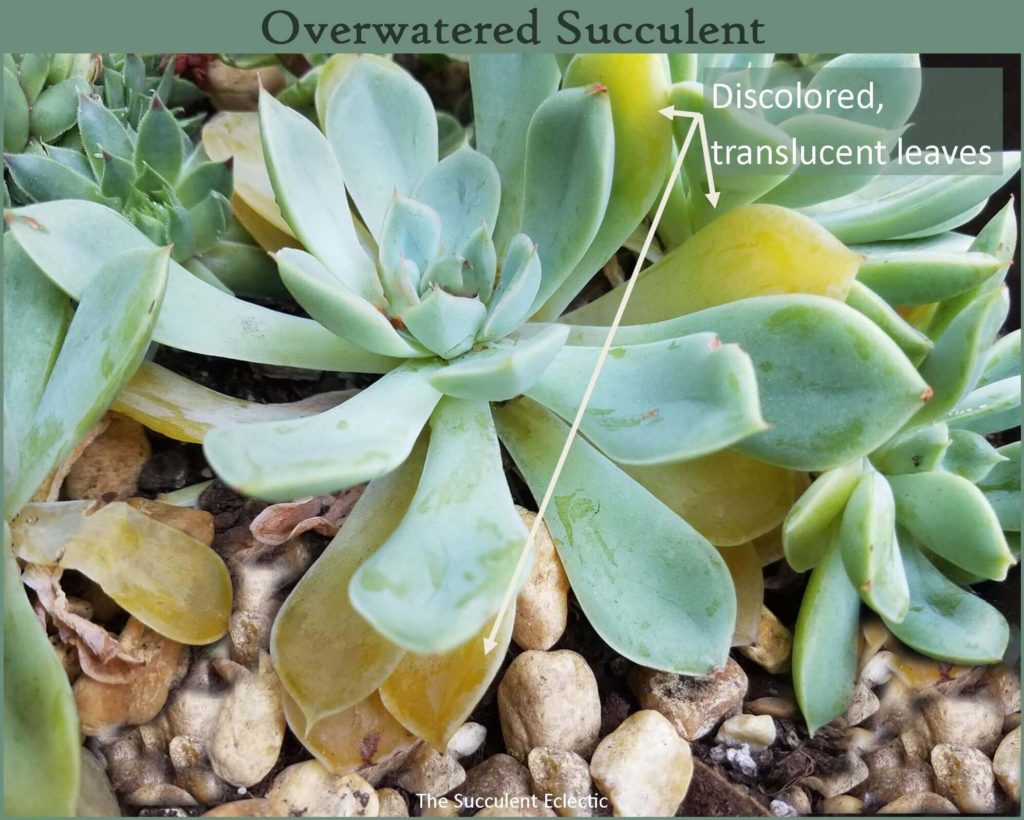
Some jade plants can store so much water that their leaves become almost translucent, like little green water balloons. Touch a well-watered jade leaf and feel how firm and plump it is. That’s hundreds of thousands of microscopic water storage cells working together!
Spines Instead of Leaves: The Ultimate Makeover
Cacti show one of the most dramatic leaf modifications in the plant world. Those sharp spines are actually highly reduced leaves. Since spines are so tiny and narrow, they lose almost no water compared to a broad, flat leaf. Meanwhile, the thick green stem takes over the photosynthesis job.

But here’s the bonus: those spines pull double duty as bodyguards. Nothing wants to chew through a fortress of needles for lunch!
Sunken Stomata: Tiny Underground Shelters
Picture this: you’re trying to keep a candle flame from being blown out on a windy day. What do you do? You cup your hands around it to create a little shelter. Desert plants use the exact same strategy with their stomata.
The oleander leaf shown below (photographed at 400x magnification) demonstrates multiple water-saving strategies working together. First, its stomata are only on the underside of the leaf, hidden from direct sun and wind.
Take a look at the stomata in the image below (they look like dark oval blobs). Those stomata aren’t just sitting out in the open. They’re tucked down into a deep pit lined with tiny hairs called trichomes.

Think of these hairs as the plant’s personal bodyguards, working three different jobs:
- Job #1: Wind Blockers Just like your cupped hands protect a candle flame, these tiny hairs create a windbreak. They trap a pocket of still air inside each pit. Since moving air steals water faster than still air, this simple trick slows down water loss.
- Job #2: Humidity Keepers When water vapor escapes through the stomata, it gets trapped by the hairs instead of blowing away. This creates a little humid bubble around each breathing pore. When the air right around the stomata is already moist, less additional water can evaporate out. It’s like how a wet towel takes forever to dry on a humid day because the air is already full of moisture and can’t hold much more.
- Job #3: Cooling System The hairs create a tiny insulated air pocket that stays cooler than the leaf surface. And cooler surfaces lose water more slowly, just like how a cold drink doesn’t evaporate as fast as a hot one.
Oleander doesn’t stop there. It wraps itself in an unusually thick outer skin: up to three tightly packed cell layers instead of the usual one, all heavily coated in cutin, a waxy waterproof material. The top surface gets an extra thick waxy layer too, acting like sunscreen and a rain jacket rolled into one.

You can also see the pit for the stomata on the lower right with the trichomes (hairs).
All these strategies working together create something remarkable: an ordinary-looking shrub that can thrive in conditions that would wilt most plants within hours. While other plants are desperately trying to conserve every drop of water, oleander is practically laughing at the desert heat.
The Night-Shopping Strategy: CAM Photosynthesis – When Plants Become Night Owls
We’ll be learning much more about photosynthesis in the next chapter. As a reminder for now, photosynthesis is the process by which plants use sunlight to turn water and carbon dioxide into sugar, which becomes their food.
Imagine having to choose between grocery shopping at noon in 110°F heat, with hot, dry wind making you feel parched or going at midnight when it’s cool and calm. Easy choice, right? Some desert plants have this exact same strategy!
Most plants are total day-shift workers. They open their stomata during daylight hours to collect carbon dioxide for photosynthesis. But desert plants looked at that schedule and said, “Are you kidding me? Daytime is when the air is hot, dry, and actively trying to suck every drop of moisture out of my leaves!”
These plants have a completely flipped schedule. They’re the night-shift workers of the plant world! Here’s their brilliant strategy:
- Night Time (Cool and Calm): Stomata open wide to collect and store carbon dioxide. It’s like filling up your shopping cart when the store is empty and the air conditioning is cranked up.
Definition: Carbon dioxide (CO2) an invisible gas that’s all around us in the air (you actually breathe it out every time you exhale!). Plants need this gas to make their food through photosynthesis, just like you need ingredients to bake cookies.
- Day Time (Hot and Brutal): Stomata slam shut tighter than a bank vault. The plant uses its stored CO2 to run photosynthesis while staying completely sealed against the desert heat.

This process is called CAM photosynthesis (short for Crassulacean Acid Metabolism). The name comes from the Crassula family of succulents where scientists first discovered this amazing process. Here’s the chemistry magic:
At night, these plants convert CO2 into malic acid and store it in special cell compartments called vacuoles. Think of malic acid as CO2 in a storage container. During the day, they break down that malic acid to release the CO2 right inside the leaf, exactly where photosynthesis needs it.
If you already watched this video in the previous chapter, you can skip it:
Here are some CAM champions you know: Cacti, agave, aloe, and here’s the surprise: pineapples! Yes, your tropical fruit friend is actually a desert survival expert in disguise. That’s why pineapple plants are so incredibly tough. During the day, they can make food through photosynthesis using the carbon dioxide they stored up the night before, all while keeping their stomata completely sealed shut against the heat.
Rainforest and Tropical Environments: Too Much of Everything
Rainforests seem like paradise for plants. They are warm, wet, have no drought, and no freezing temperatures. And honestly? For plants at the top of the canopy, it kind of is. Those lucky leaves get full sun, plenty of rain, and warm temperatures year-round.
But down on the forest floor, it’s a completely different story.
The canopy overhead is so thick and layered that by the time sunlight filters all the way down to the ground, there’s almost nothing left of it. Only about 0.5 to 5 percent of the sunlight that hits the treetops makes it to the forest floor. It’s like standing in a room where the blinds are nearly closed and only a few thin slivers of light slip through. That’s daily life for a plant growing beneath the canopy.
Giant Leaves for a Light-Starved World
So what do you do when you’re desperate for light? You make the biggest solar panel you possibly can. Banana leaves, taro, and philodendron can grow several feet long, not because they’re showing off, but because every extra inch of surface area catches a few more stray photons filtering down through the canopy above. In the rainforest understory, a bigger leaf isn’t a luxury. It’s survival.
It’s the exact opposite of what desert plants do. Desert plants shrink their leaves to save water. Rainforest floor plants grow leaves the size of cafeteria trays to catch scarce light. Same basic structure, completely opposite problem, completely opposite solution.
Here you can see some leaves of the Alocasia macrorrhizos plant (commonly known as elephant ear). The leaves can grow as big as 6 feet long and 3-4 feet wide!

Drip Tips
Too much rain sounds like a great problem to have. But for a leaf, it’s genuinely dangerous. Water pooling on a leaf blocks the light it desperately needs, the extra weight can tear or bend the leaf, and a constantly wet surface is basically a welcome mat for mold and fungal diseases. In a place where it can rain every single day, this is a real crisis.
So, rainforest leaves have a simple but brilliant fix: a long, pointed tip that acts like a drain. Water hits the waxy leaf surface, flows downward, and funnels off the tip in a steady drip instead of pooling. It’s basically a built-in rain gutter. Some tropical leaves have drip tips so long and dramatic they look almost like a green icicle. Others are subtler, just a gentle taper, but the effect is the same.


Next time you walk past a pothos or a rubber plant, look at the tip of the leaf. That little point isn’t decorative. It’s a drainage system, and it’s been working perfectly for that plant’s whole life without anyone noticing.

Waxy, Water-Repelling Surfaces
Many rainforest leaves are coated with a waxy surface that causes water to bead up and roll off rather than spreading out in a flat sheet. The lotus plant takes this to an extreme. Its leaves are so water-repellent that water forms perfect little spheres and rolls off carrying any dirt or debris with it. Scientists call this the lotus effect, and it’s been studied extensively because engineers want to copy it for self-cleaning materials and surfaces.
Fun Fact: Lotus leaves are so good at repelling water that they’re nearly impossible to get wet. If you drop a lotus leaf into water face-down, it traps a layer of air underneath and floats like a little boat.
Aquatic and Wetland Environments: When a Leaf Lives in Water
Most leaves are designed for air. They have a cuticle to prevent water loss, stomata to exchange gases with the atmosphere, and rigid veins to hold their shape. But what happens when a plant lives in or on the water? The whole rulebook changes.
Leaves with Built-In Floaties
Water lily leaves are like nature’s answer to pool floats! These round, flat giants can grow more than a foot across, and they’re absolutely masters at staying on top of the water. But how do they pull off this floating trick without any foam noodles or air pumps?
Here’s the secret: water lily leaves and stems are packed with large air-filled spaces that work exactly like plant bubble wrap! These air pockets serve double duty. First, they make the leaf super buoyant, like having tiny life preservers built right into every part of the plant. Second, they create an underwater highway system for oxygen to reach the roots and stem parts that are completely submerged where regular air can’t reach them.
Think about it: the roots are stuck down in the muddy lake bottom where there’s no fresh air at all. These air spaces act like the plant’s personal scuba gear, delivering oxygen from the floating leaves all the way down to the underwater parts!
Remember how most leaves have their stomata (breathing pores) on the bottom surface? Well, water lilies flipped that design completely! Their stomata are on the TOP surface instead.
Why? Picture this: if you had your nose on the bottom of your face and tried to float on your back in a pool, you’d be in trouble! Water lily leaves face the same problem. The bottom surface is sitting right on the water, so stomata there would be constantly waterlogged and completely useless. By putting their breathing pores on top where they face the air, water lilies can actually breathe while floating.
When Plants Go Swimming: The Underwater Leaf Story
Think about holding your breath underwater in a swimming pool. What’s the biggest challenge? Getting air, right? Well, plants that live completely underwater face a similar challenge, but they’ve got some pretty amazing tricks up their… leaves?
While desert plants are basically saying “Don’t let a single drop escape!” underwater plants are living in the ultimate all-you-can-drink water buffet. They’re literally swimming in H2O! So, instead of that thick, waxy coating that desert leaves wear like a waterproof jacket, underwater leaves can skip it entirely. No cuticle guard at the door. Everyone gets in.
But here’s where it gets interesting. These submerged plants still need to breathe. They need carbon dioxide to make food, and they need to release oxygen (lucky for fish!). The catch? There are no stomata to open and close down here. No little pores to let gases in and out. Instead, gases have to dissolve directly through the leaf’s surface from the surrounding water. That means the leaf itself IS the gas exchange system, every single millimeter of it.
Feathery and Fabulous

So, how do you maximize how much leaf surface is in contact with the water at any given moment? You go feathery. Take a look at plants like hornwort or water milfoil next time you’re near a pond or aquarium. Their leaves look like someone took green thread and made the most delicate, lacy artwork you’ve ever seen. Each leaf is split into dozens of hair-thin divisions, which means an enormous amount of surface area packed into a tiny space, all of it in direct contact with the water, all of it absorbing carbon dioxide and releasing oxygen right into the surrounding water.
It’s like the difference between dunking a whole sponge in water versus shredding that sponge into thin strips and dunking those. The strips get wet faster and more completely because so much more surface is exposed. Same idea here, but with gas instead of water.
The Great Leaf Flip
When you compare desert leaves to underwater leaves, it’s like looking at complete opposites:
- Desert leaves: thick, waxy, armored. “Keep the water IN at all costs!”
- Underwater leaves: thin, delicate, wide open. “Let the gases flow freely!”
What works in the Sahara would be a total disaster in a lake, and what thrives underwater would shrivel up in the desert faster than you can say “Water you thinking?”
Right now, this very second, millions of those feathery underwater leaves are quietly doing their gas exchange dance in ponds, lakes, and aquariums around the world. Pretty amazing that something so impossibly delicate can be so perfectly built for its watery world.
When Winter Comes Knocking
Winter can be a plant’s worst nightmare. And we’re not just talking about the cold. We’re talking about a triple threat that would make most living things give up entirely.
First, there’s the freeze problem. Water expands when it freezes, and if that happens inside a leaf cell, it’s like a tiny pipe bursting. Cell walls rupture, tissue dies, and the leaf is done. Second, there’s the drought problem. Frozen ground means roots can’t absorb water, and dry winter winds are constantly pulling moisture out of anything exposed. A leaf in winter is basically dying of thirst while surrounded by ice. Third, mountain plants get a bonus challenge: intense UV radiation bouncing off snow and thin air that would sunburn your leaf tissue like a tourist who forgot sunscreen.
So, what do you do? Plants have basically two options, and they’re about as different as two strategies can get.
Strategy 1: Suit Up and Stay
Conifers, think pine, spruce, fir, and cedar, basically said “We’re not going anywhere. We’re just going to become indestructible.”
Their secret weapon is the needle. It sounds simple, but the needle design solves almost every winter problem at once. A needle has very little surface area, so there’s less for drying winter winds to attack. It’s coated in an extra thick, tough cuticle that locks moisture in even when the air is bone dry. And inside? Special compounds that act like a natural antifreeze, lowering the freezing point of the liquid in the cells so ice crystals can’t form as easily and burst things open.

The dark green color even helps. On a sunny winter day, those needles absorb solar heat and stay slightly warmer than the freezing air around them. So, while the deciduous tree next door is standing there completely naked and dormant, the pine tree is over there quietly photosynthesizing, basically having a normal Tuesday in February.
Strategy 2: See You in the Spring
Maples, oaks, birches, aspens, and hundreds of other trees took one look at winter and said “Nope.” Every single autumn, they drop every single leaf and spend the cold months as bare, dormant wood.
That might sound like giving up. It’s actually genius.

A bare tree has almost no surface area to lose water from. No leaves means no tissue for ice crystals to rupture. And since photosynthesis barely works in the dark, freezing days of winter anyway, why burn energy maintaining a canopy that can’t even do its job? So, the tree presses pause on half its biology, rides out the cold doing essentially nothing, and then rebuilds its entire leaf canopy from scratch every spring, fresh and ready to go.
Both strategies work brilliantly. They’re just completely opposite answers to the same brutal question: how do you survive winter when you can’t move somewhere warmer?
We’ll look at exactly how and why leaf drop happens later in this chapter. Spoiler: it’s way more dramatic than you’d expect.
Special Leaf Superpowers: When Photosynthesis Isn’t Enough
Let’s take a second to appreciate what leaves are already doing. They’re capturing energy from a giant ball of fire 93 million miles away and using it to build sugar out of literally air and water. That’s not normal. That’s one of the most jaw-dropping chemical tricks in the entire universe.
And for most plants, that’s enough.
But some plants live in places so nutrient-poor that they can’t get enough nitrogen and phosphorus to survive. The soil in certain bogs, swamps, and rocky outcrops is so washed out and acidic that it’s essentially nutritional quicksand. Remember how minerals are like vitamins for plants? They don’t provide energy, but the plant absolutely needs them to build proteins, DNA, and everything that keeps a living cell running. No nitrogen means no proteins. No phosphorus means no DNA. The plant can be photosynthesizing like crazy, making plenty of sugar energy, and still be slowly falling apart at the microscopic level because it can’t build anything with that energy. It’s like having plenty of money but no stores to buy from. The resources are there. The supplies aren’t.
So, some of them have a solution so wild it sounds made up.
They eat bugs.
Carnivorous Plants: Leaves That Are Hunters
Carnivorous plants grow on every continent except Antarctica, and they are designed to turn their leaves into traps. Not metaphorical traps. Actual, functional, kill-and-digest traps that catch real prey, break it down with digestive juices, and absorb the nutrients from the remains.
Some species don’t stop at bugs either. Larger carnivorous plants have been documented catching frogs, rodents, and in at least one case, a small bird. These are still plants. They just also happen to be predators.
There are four main trap designs, and each one is a completely different engineering solution to the same problem: how do you catch something that moves when you can’t move yourself?
Snap Traps: The Venus Flytrap
The Venus flytrap is the rock star of the carnivorous plant world, and it has absolutely earned that title. It’s a leaf that became a bear trap, and it’s a bit creepy.
Each trap is a modified leaf blade with two hinged lobes lined with interlocking teeth along the edges. Inside each lobe are tiny trigger hairs, and here’s where things get interesting. If an insect brushes against one trigger hair, nothing happens. The trap stays open. But if it touches a second trigger hair within about 20 seconds of the first? SNAP. The trap slams shut in one tenth of a second, faster than most insects can even register what’s happening.
Why the two touch requirement? Because snapping shut is expensive. It costs the plant real energy, and each trap can only do it about three to five times before it’s permanently retired and a new one has to grow. So, the plant needs to be sure it’s catching something worth eating, not just reacting to a raindrop or a falling leaf. By requiring two separate triggers close together in time, the Venus flytrap is essentially counting. One touch might be nothing. Two touches means something alive is in there, moving around. Scientists have called this a primitive form of counting, which is a sentence that should absolutely blow your mind given that we’re talking about a plant.
Once the trap closes, digestive juices flood in and spend the next five to twelve days breaking down the soft parts of the insect. Then the trap reopens, the dried remains blow away in the breeze, and the plant resets for its next meal.
Pitcher Traps: Pitcher Plants
If the Venus flytrap is a bear trap, pitcher plants are pitfall traps. And honestly? They might be even more sinister.
A pitcher plant’s leaf has been transformed into a deep tube, like a living test tube, with a slippery rim, waxy walls, and a pool of digestive liquid waiting at the bottom. The rim is often brightly colored and coated in nectar to attract insects. So, an unsuspecting bug lands on what looks like a great lunch spot, takes one step onto that slick surface, and that’s it. The walls inside angle downward with tiny hairs or waxy scales that make climbing back out essentially impossible. The insect slides down into the liquid below and doesn’t come back up.
The digestive soup at the bottom does the rest over the course of several days.
But some pitcher plants don’t stop at insects. The giant Nepenthes rajah of Borneo grows pitchers large enough to hold a full liter of liquid, and scientists have documented it catching and digesting frogs, lizards, and rats that were unlucky enough to slip in. That’s not a plant. That’s a trap with leaves.
And here’s a plot twist: some Nepenthes species have a deal with tree shrews. The shrew visits the pitcher to eat its nectar, and then, well, does what animals do after eating. Those droppings fall into the pitcher and give the plant a nitrogen boost. The tree shrew gets a free meal. The plant gets fertilizer. In the carnivorous plant world, that counts as a wholesome friendship.
Sticky Traps: Sundews and Butterworts
Sundews might be the most beautiful assassins in the plant kingdom.
Each leaf is covered in tiny stalked glands, like little red hairs, each one tipped with a glistening droplet that sparkles in sunlight like a perfect dew drop. That’s actually where the name comes from. The dew never dries, even on the hottest day, because it’s not water.
It’s glue.
An insect lands on a sundew thinking it’s found something good, and it instantly can’t leave. Then things get worse for the insect. Those sticky glands slowly bend toward it, closing in from all sides. Sometimes the whole leaf curls around the prey to maximize contact. Digestive enzymes start flowing. The whole process takes anywhere from a few hours to a couple of days depending on the size of the meal, and by the end, the insect has been almost completely absorbed. The sundew then uncurls, resets, and waits for the next visitor.
Butterworts take a simpler approach. Their flat, slightly cupped leaves are coated in a greasy, sticky mucilage that works like flypaper. A gnat or fungus fly lands on it and that’s basically the end of the story. Digestive enzymes do their work, the nutrients get absorbed, and the dried remains eventually just blow away in the breeze. No dramatic curling. No slow embrace. Just a very effective, very low-maintenance trap.
Note to creationists: The following video uses the word evolve.
Suction Traps: Bladderworts
And now for the plant that makes all the others look slow.
Bladderworts are aquatic plants with feathery underwater leaves dotted with tiny bladder-shaped pouches, usually only a millimeter or two across. Each one is a pressurized trap, and what it does is almost hard to believe.
The plant actively pumps water out of each bladder, creating lower pressure inside than outside. The entrance is sealed with a tiny trapdoor held shut by that pressure difference. When a water flea or mosquito larva brushes against the trigger hairs near the entrance, the trapdoor springs open, and the pressure difference does the rest. The creature gets sucked inside in about 15 milliseconds. The door seals shut again. The whole thing is over before the prey has any idea what happened.
15 milliseconds. For reference, the blink of an eye takes about 150 milliseconds. The bladderwort is ten times faster than that.
Digestive enzymes go to work immediately, and within hours the trap has reset and is ready to fire again. A single bladderwort plant can have thousands of these bladders all armed and waiting simultaneously, quietly vacuuming up microscopic creatures around the clock without anyone noticing.
It is, without question, the fastest moving structure in the entire plant kingdom. And it looks like a harmless little water weed.
Other Remarkable Leaves
Carnivorous plants get all the glory. But here’s the thing: leaves have a lot more tricks than just eating bugs. Some of them have basically quit their day jobs entirely and gone into completely different careers.
Tendrils: Leaves That Grab

Some plants have a problem. They want to grow tall and get to the light, but their stems are weak and floppy. They simply cannot hold themselves up. Most plants in this situation would just sprawl on the ground and deal with it.
These plants said no thanks. Instead, they outsourced the whole “staying upright” problem to whatever happens to be nearby.
Peas, sweet peas, and certain vetches have leaflets or stipules that have ditched the photosynthesis job completely and transformed into tendrils. These are long, wiry, coiling structures that reach out into the air like the plant is feeling around in the dark for something to grab. And when a tendril touches something solid, a fence wire, or a twig, it wraps around it. Fast.
Special cells on the contact side grow faster than the cells on the opposite side, causing the tendril to curl tighter and tighter until it has a grip strong enough to hold the entire plant’s weight in a windstorm.
A leaf. Holding up a whole plant. By grabbing a fence.
That’s not what leaves are supposed to do. And yet here we are.
Leaves That Make Babies
Flowers? Seeds? Who needs them.
Kalanchoe daigremontiana, nicknamed “mother of thousands,” has figured out a way to skip the whole reproduction process that every other plant seems to think is mandatory. Instead of going through the effort of flowering, getting pollinated, and making seeds, it just… grows babies directly on its leaves.
Look closely at the scalloped edges of a mother of thousands leaf and you’ll see dozens of tiny, perfectly formed miniature plants just sitting there along the margins like little passengers on a bus. They’re not seeds. They’re fully structured plantlets, already built and ready to go. When they’re big enough, they simply drop off, fall to the soil below, and root themselves. Just like that, one leaf has produced an entire colony of new plants without a flower, a bee, or a seed in sight.
It’s one of the most casually impressive things any plant does.
It’s also, it turns out, a bit of a problem. In places where this plant has been introduced outside its native Madagascar, it spreads so aggressively that it’s considered invasive in parts of Florida, Hawaii, and Australia. Every leaf is basically a seed factory, and there are a lot of leaves. Once it gets established somewhere it shouldn’t be, good luck getting rid of it.
Impressive and a little terrifying. Just how we like our plants. 🤣
Leaves as Defenses
Some plants decided that the best way to deal with being eaten is to make eating them a terrible experience.
Holly leaves have sharp-pointed lobes along their edges that are genuinely painful to chew through, especially for larger animals like deer. Barberry takes it further: on older branches, the leaves have been reduced to nothing but sharp spines, while only the young growth bothers making actual flat leaves. The message is pretty clear. Agave leaves end in a terminal spine so needle-sharp that Native Americans historically used them as literal sewing needles, threading plant fiber through the tip and stitching with it. The plant grew its own sewing kit.


And then there’s the stinging nettle, which is perhaps the sneakiest of all. Those burning, itching hairs that make you regret brushing against a nettle plant? Those are modified leaf hairs. Single cells, technically, that have been designed to break off at the tip when touched, inject a chemical cocktail of formic acid and other irritants under your skin, and leave you miserable for hours. A leaf hair that functions as a hypodermic needle. Remarkable and horrible in equal measure.
Traps. Ladders. Nurseries. Weapons. The basic leaf blueprint has been repurposed into just about everything imaginable. And most people walk past these plants every single day without having any idea.
Leaf Movement: Plants That Don’t Sit Still
Plants don’t move. Everyone knows that.
Except that’s completely wrong.
Leaves move. Some of them move fast enough that you can sit there and watch it happen in real time. Touch the right plant and its leaves will fold up within seconds like it’s flinching away from you. A sunflower field at dawn visibly tracks the rising sun, the whole field slowly swinging east to west over the course of a day like a crowd of spectators following a tennis match. A patch of clover at night has its leaves folded completely shut, pressed together like tiny hands in prayer, and by morning they’ll be wide open again.
No muscles. No nervous system. No brain. So how on earth are they doing this?
The answer comes down to two completely different mechanisms.
The Two Ways Leaves Move
Mechanism 1: Grow Your Way There
How Plants “Decide” Which Way to Grow: The Auxin Story
Here is something that will change how you look at every houseplant leaning toward a window: plants don’t actually “decide” to grow toward light. They just grow unevenly, and the physics take care of the rest.
The key player is a hormone called auxin (AWK-sin).
Remember from Chapter 8 how we talked about hormones? Auxin is one of the most important ones. It’s a chemical messenger produced at the very tip of a stem, right in the apical meristem, and it flows downward from there. Its job is to encourage cells to grow longer by making their walls more flexible so they can stretch. More auxin in a zone means more stretching. It’s basically a “get bigger” signal for cells.
Here’s where it gets clever. When sunlight hits a stem from one side, auxin does something unexpected. Instead of staying put, it moves away from the bright side and piles up on the shaded side instead.
Now imagine what happens to the stem when one side is stretching faster than the other. The faster-growing side gets physically longer. That extra length has to go somewhere, and it pushes the tip of the stem sideways, toward the slower-growing side. The stem curves. And since the slower-growing side is the sunny side, the stem curves toward the light.
The plant isn’t “reaching” for light in any conscious way. It’s just that the chemistry makes one side longer than the other, and physics does the bending. Simple, elegant, and it works every single time.
This response to light is called phototropism. “Photo” means light, and “tropism” (as you might remember from Chapter 7 when we discussed root tropisms) means a growth movement toward or away from something. Positive phototropism means growing toward the light source, which is what stems do.
You’ve almost certainly seen this without realizing it. That houseplant sitting on a windowsill with its leaves all angled toward the glass? Phototropism. Turn the pot around and watch what happens over the next few days. New growth will start curving back toward the window, chasing the light one lopsided cell division at a time. Give it a week and the plant will have reorganized itself to face the light again. It is remarkably persistent.
Why This Matters for the Whole Plant
Phototropism is one of the most important things a plant can do. Leaves need light to run photosynthesis, and photosynthesis is how the plant makes all of its food. A plant that can’t orient its stems toward light is a plant that starves. So, the fact that auxin automatically causes stems to curve toward light is not a small feature. It’s survival.
And it doesn’t just happen in houseplants. Every seedling pushing up through the soil is doing this. Even if a seed germinates sideways or at a weird angle, the shoot will curve toward whatever direction has the most light. This is why you don’t have to plant seeds perfectly upright. Gravity takes care of which way the roots grow (that’s gravitropism, which we covered in Chapter 7), and light takes care of which way the shoot grows. The plant sorts itself out.
Etiolation: What Happens When There Isn’t Enough Light
When a plant is seriously light-deprived, auxin runs basically unchecked and the stem stretches dramatically, trying to reach better light. The internodes (those stretches between nodes from Chapter 8) grow extremely long. The leaves stay small and yellow because there’s no point in building lots of chlorophyll when there’s barely any light to use. The plant looks pale, weak, and spindly.
Botanists call this etiolation (ee-tee-oh-LAY-shun), but gardeners just call it “leggy.” If you’ve ever started seedlings indoors too far from a window, you’ve seen this. Those tall, pale, floppy seedlings that can barely hold themselves up? That’s a plant throwing all of its energy into stem length, desperately gambling that if it grows tall enough it’ll find a light source.
The fix is simple: give it more light or move it closer to the window. The new growth will be shorter, sturdier, and greener. The leggy old growth will stay leggy (you can’t un-stretch a cell), but the plant will course-correct from where it is.
One Hormone, Many Jobs
You’ve now seen auxin do two very different things. Back in Chapter 8, we talked about how auxin from the terminal bud flows downward and suppresses lateral buds, keeping the plant growing tall instead of bushy. That’s apical dominance. Cut the tip off and the auxin signal disappears, the side buds wake up, and the plant gets bushier.
Now here it is again, this time causing stems to bend toward light by building up on the shaded side.
Same hormone. Totally different effects depending on where it accumulates and what cells it’s talking to. Auxin is essentially the plant’s all-purpose growth coordinator, and scientists are still discovering new things it does. For something you can’t see, taste, or smell, it’s doing an enormous amount of work.
The catch is that this kind of movement is slow, taking hours or days, and it’s permanent. Those cells that grew longer don’t shrink back down. The plant can keep adjusting as new growth happens, but it can’t undo what’s already been built. It’s a one-way street.
Mechanism 2: Turgor Power
The second kind of movement is faster, reversible, and honestly way more satisfying to understand.
It runs on turgor pressure, which is just a fancy way of saying water pressure inside a cell. Think of a water balloon. Barely filled, it’s floppy and sad and flops around uselessly. Fill it all the way up and it’s firm, taut, and pushes back against everything touching it. Plant cells work exactly the same way. A cell full of water is rigid and pushes against its neighbors. A cell that loses water goes soft and stops pushing.
Now here’s where it gets clever. Imagine a cluster of cells sitting at the base of a leaf stalk. If the cells on one side suddenly dump their water and go floppy, while the cells on the other side stay fully pressurized and firm, the firm side wins. The whole leaf tips toward the soft side, like a table with one leg shorter than the others. When water moves back into those deflated cells, the leaf tips back. The whole thing can happen in seconds, and it can be reversed over and over again.
No muscles. No contractions. No energy burned on movement itself. The plant just shuffles water from one group of cells to another, and physics handles everything else.
The turgor pressure inside a healthy plant cell can reach 100 pounds per square inch, roughly the same as a fully inflated car tire. That’s what keeps plants upright and leaves firm and crisp. A wilting plant isn’t dying. It’s just running low on water pressure, like a tire going flat. Water it and watch it bounce back.
Heliotropism: A Story about Sunflowers
Everyone knows sunflowers follow the sun. But almost nobody knows the plot twist at the end of that story.
Young sunflowers do track the sun, and they do it seriously. They face east at sunrise, slowly swing west over the course of the day as the sun crosses the sky, then swing all the way back east overnight to be ready for the next morning. Back and forth, every single day, like the world’s most dedicated spectator. The mechanism is that growth-based movement we just talked about: the shaded side of the stem grows slightly faster during the day, pushing the flower toward the light, then the pattern flips at night and the stem swings back.
So far so impressive. But here’s the part that catches everyone off guard.
Mature sunflowers stop tracking entirely. Once a sunflower reaches full size and its flower opens, it locks in place facing east and stays there. Forever. No more daily swinging. No more following the sun across the sky. Just permanently east-facing, end of story.
Why would a plant that spent its whole young life tracking the sun suddenly quit?
Because at that point in its life, catching sunlight is no longer the most important job. Getting pollinated is. And it turns out that east-facing flowers warm up faster in the morning sun, and warmer flowers attract dramatically more pollinators. Research has shown that bees visit east-facing sunflowers up to five times more often than west-facing ones. Five times. So, the sunflower trades its sun-tracking habit for a permanent east-facing position that maximizes its chances of being visited by bees. It switches strategies right when the stakes change.
That’s not just a plant following the sun. That’s a plant playing a long game.
Arctic poppies also track the sun all day, but for a completely different reason. Their bowl-shaped flowers act like tiny satellite dishes, concentrating solar heat at the center and warming it several degrees above the surrounding air temperature. Insects actively seek out these warm bowls to rest and warm up, which means they spend more time in the flower and transfer more pollen while they’re at it. The poppy isn’t just catching light. It’s running a heated lounge for pollinators.
Nyctinasty (NIK-tih-nas-tee): Plants That Actually Go to Sleep
Go outside at dusk and crouch down next to a patch of clover or wood sorrel. Watch it for a few minutes. If you’re patient enough, you’ll see something that feels almost impossible: the leaves are folding up. Not blowing in the wind. Not wilting. Deliberately, slowly, folding themselves closed like tiny hands pressing together for the night.
You are not imagining it.
Many plants do this every single evening and reopen every single morning in a behavior called nyctinasty.

The word nyctinasty comes from the Greek words:
- nyx meaning night
- nastos meaning pressed close or compacted.
Nyctinasty literally suggests “being pressed close at night.”
Wood sorrel, clover, oxalis, and many legumes all do it, and the mechanism is our old friend turgor pressure. At the base of each leaflet are special hinge-like structures called pulvini (singular: pulvinus), packed with cells that are very good at rapidly gaining and losing water.
Pulvini comes from the Latin word pulvinus meaning cushion or pillow.
They get their name because they look like little swollen, cushion-like joints.
As light fades, these cells redistribute their water, pressure drops on one side, and the leaflet folds. When morning comes and light returns, the cells refill, pressure builds back up, and the leaf opens again. Same trick the bladderwort uses to vacuum up water fleas, just slower and considerably less violent.
Why go to the trouble? Probably several reasons at once. Folded leaves lose less water overnight when there’s no photosynthesis happening to make the water loss worthwhile. Folded leaves also lose less heat on cold nights, and a closed, compact leaf is a much harder target for nocturnal insects looking for a midnight snack. Heavy dew and rain can damage exposed leaf surfaces too, and a folded leaf sheds both more easily.
But honestly, the best reason to know about nyctinasty is this: the next time you’re outside at dusk, you can crouch down next to an ordinary patch of clover and watch it “go to sleep”. 😉
Thigmonasty: The Plant That Flinches
Okay. Save this one for last, because it’s the best one.
Mimosa pudica goes by several common names: the sensitive plant, the touch-me-not, the shameplant. All of them are trying to warn you about the same thing. Touch this plant and it collapses. Not slowly. Not gradually. Within about one second of being touched, the leaflets snap shut, the leaf stalks droop, and the whole branch goes limp like it just gave up on life. It looks so dramatic and so deliberate that the first time most people see it, they genuinely can’t believe they’re looking at a plant.
Touch it again a moment later and it responds again. Leave it alone for about twenty minutes and it slowly reopens, completely unbothered, ready to do the whole thing over.
The mechanism is turgor pressure running at emergency speed. Those pulvini we just talked about in the nyctinasty section are at work again here, but instead of gently redistributing water over the course of an evening, they’re doing it in a fraction of a second. Special cells along the leaf stalk suddenly dump their water, like a balloon with the knot untied. Pressure vanishes almost instantly and the leaf goes limp. It’s like someone pulled the plug on an inflatable structure. One second, it’s standing. The next it’s a pile of nothing.
And the collapse doesn’t just stay in one spot. It travels. A touch at one point sends an electrical and chemical wave rippling through the plant’s tissue, triggering the same water-dump response in neighboring cells as it goes. Touch one leaf on a large Mimosa and you can watch several others fold up in a chain reaction, like dominoes falling in slow motion across the plant.
Why? This is almost certainly a defense move. A plant that suddenly collapses looks less like lunch and more like something deeply wrong is happening. Insects that land on it may startle and fly off before taking a single bite. The collapsing leaves also reveal thorns that were hidden underneath. And a limp, drooping plant is genuinely harder to walk across or lay eggs on than a firm, open one. It’s a plant that is alarming on purpose.
But the most mind-bending part of the Mimosa pudica story isn’t the collapsing. It’s what happens when you repeat the same disturbance over and over.
Researchers dropped Mimosa plants repeatedly from a small height. Harmless, but startling enough that the plants initially folded up every single time. But after enough repetitions, the plants stopped responding. They apparently recognized that this particular disturbance wasn’t actually a threat and decided it wasn’t worth the energy to keep reacting to it. They habituated to it, the way you stop noticing the sound of a fan after a while.
That alone would be interesting. But then the researchers waited weeks, moved the plants to completely new locations, and tested them again.
The plants still remembered. They still didn’t fold for that specific drop height, even after weeks had passed and everything around them had changed.
A plant. With no brain. No nervous system. No neurons of any kind. Remembering a specific experience for weeks and adjusting its behavior accordingly.
You may be asking, “How is that even possible?”
Plants don’t have neurons or a brain, but their cells have a communication system using something called calcium (Ca²⁺). These are tiny, charged particles that spike in concentration when something touches or disturbs the plant.
Think of calcium signals like text messages flying around inside the plant’s cells:
- When something “scary” happens, calcium levels shoot up in certain spots.
- Those messages tell the plant: “Fold leaves now!” or “Don’t bother next time.”
- Over time, if the same harmless disturbance keeps happening, something shifts inside the cells. The alarm gets quieter. Certain cellular switches get flipped, and the plant essentially stops treating that particular disturbance as worth reacting to.
- That change can last days or weeks, kind of like saving a note in your phone so you don’t forget.
In animals, changes in calcium levels inside cells are essential for forming long-term memories, especially in neurons. Calcium helps trigger gene changes that lock memories in place.
Scientists think that in plants, calcium also acts as a core signaling system that helps cells respond differently after repeated experiences.
In both cases, calcium signals can flip genetic “switches” on or off, changing how the cell behaves in the future (like telling the mimosa plant, “Hey, this drop is safe.”).
In plants, it’s just that there is no brain required. It’s chemistry, doing something that looks suspiciously like remembering!
Leaves move toward light and away from danger. They fold up at night and flinch at a touch. They track stars across the sky and remember experiences. They do all of this without a single thought, without a single nerve, without anything we’d normally associate with awareness or response.
And just when you think you’ve seen everything a leaf can do, autumn shows up and leaves pull off one final trick. One that’s been stopping people in their tracks for as long as anyone can remember.
They put on a show.
The Autumn Show: Why Leaves Change Color and Fall
Every autumn, trees do something that stops people in their tracks.
Forests that have been solid green for months suddenly explode into reds, oranges, yellows, and purples. People plan vacations around it. They drive hours out of their way just to see it. In New England alone, fall foliage tourism brings in millions of dollars every year, and it’s all because trees are doing something to their leaves that looks like pure magic but is actually fascinating chemistry.
So what’s actually going on up there?

The Yellow and Orange Were There All Along
Here’s the part that genuinely surprises most people: those beautiful yellows and oranges you see in autumn? They were already in the leaf. All summer long. You just couldn’t see them.
All summer, leaves are absolutely packed with chlorophyll, the green pigment that captures light for photosynthesis. And chlorophyll is bossy. It’s such a dominant, overpowering pigment that it completely drowns out everything else in the leaf. But hiding underneath that green the whole time are yellow and orange pigments called carotenoids, the same family of pigments that makes carrots orange and bananas yellow.

They’re there all summer doing a quiet supporting role, helping capture extra light and protecting the leaf from too much sun damage. They just never get to show off because chlorophyll won’t let them get a word in.
Then autumn arrives. Days get shorter. Temperatures drop. The tree starts preparing to shut down for winter and stops producing chlorophyll. The existing chlorophyll breaks down and fades away. And as the green disappears, the yellows and oranges that were hiding there all along finally get their moment.
The leaf didn’t make those colors in autumn. It just stopped covering them up.
The Reds and Purples Are Brand New
The yellows and oranges were always there, but the brilliant reds and purples are a different story entirely. Those get made fresh every autumn, produced directly in response to shortening days and dropping temperatures.

The pigments responsible are called anthocyanins (an-thuh-SIGH-uh-ninz), and here’s the interesting question: why bother making brand new pigments in a leaf you’re about to throw away?

The leading explanation is sunscreen. As the tree spends the weeks before leaf drop carefully dismantling its leaves from the inside out and reclaiming all the valuable materials stored in them, the leaf tissue becomes vulnerable to sun damage during that breakdown process. Anthocyanins absorb excess light and protect the whole recycling operation from being disrupted. The tree is essentially applying sunscreen to a leaf it’s in the middle of taking apart, just to make sure the job gets done properly before the leaf falls.
And here’s the part that explains why some autumns are spectacular and others are kind of meh. The intensity of red fall color is directly connected to the weather. Sunny days give the leaf energy to keep producing sugars through its last days of photosynthesis. Cool nights cause the blood vessels between the leaf and the tree, the connections through the petiole, to slowly shut down, trapping those sugars inside the leaf.
Trapped sugars get converted into anthocyanins. More trapped sugar means more anthocyanins means more brilliant red.

And here’s the part that explains why some autumns are spectacular and others are kind of meh. The intensity of red fall color is directly connected to the weather. Sunny days give the leaf energy to keep producing sugars through its last days of photosynthesis. Cool nights cause the blood vessels between the leaf and the tree, the connections through the petiole, to slowly shut down, trapping those sugars inside the leaf. Trapped sugars get converted into anthocyanins. More trapped sugar means more anthocyanins means more brilliant red.
That’s why the classic New England autumn conditions, warm sunny days followed by cold clear nights, produce such insane displays of color every year. The weather is basically maximizing the sugar trap, and the leaves are responding with every red and purple pigment they’ve got.
Those same anthocyanins that paint autumn leaves red and purple are also what makes blueberries blue, red cabbage purple, and strawberries red. Next time you eat a handful of blueberries, you’re eating the exact same pigment that’s turning the maple trees red outside your window right now.
The Great Recycling Operation
Here’s the thing about all that stunning color. From the tree’s perspective, it’s almost beside the point. While you’re standing there taking photos of the gorgeous red maple, the tree is in the middle of something far more practical.
It’s doing laundry. Specifically, it’s stripping everything valuable out of its leaves before throwing them away.
Think about what a leaf actually contains. Chlorophyll is built from nitrogen, one of the hardest nutrients for a plant to get its hands on. Cell membranes are built from phosphorus, another precious resource. Proteins, sugars, minerals, all of it represents months of careful work and limited resources that the tree absolutely cannot afford to just let fall to the ground and rot.
So, it doesn’t.
Starting weeks before a leaf actually falls, the tree begins dismantling it from the inside out. Chlorophyll gets broken down into smaller molecules that can be packed up and shipped back into the branches and trunk for winter storage. That’s why the green fades: it’s not just breaking down; it’s being deliberately taken apart and hauled away. Proteins get disassembled and their nitrogen gets reclaimed. Sugars get moved into storage. Minerals get pulled back into the tree.
By the time a leaf actually lets go and falls, it’s been almost completely emptied of anything worth keeping. What drifts down to the ground is basically the leftovers: the structural bits, the cell walls, the pigments that couldn’t be reabsorbed. The tree kept everything that mattered.
This is also why autumn leaves are yellow and orange instead of green. The green didn’t fade. It was packed up and taken back inside weeks ago.
The Abscission Zone: Where the Tree Lets Go

Most people assume leaves just die and fall off when the wind gets strong enough. But that’s not what happens at all. A tree doesn’t wait for the wind to rip its leaves off. It cuts them loose itself, deliberately, cleanly, and on its own schedule.
Here’s how it works. Weeks before a leaf falls, the tree begins building a specialized layer of cells right at the base of the petiole, exactly where the leaf stalk meets the branch. This is called the abscission zone, from the Latin abscindere meaning to cut off. These cells slowly secrete enzymes that dissolve the connections between them, essentially eating through the bond between the leaf and the tree from the inside.
Abscission comes from the Latin roots
ab: away from
scindere: to cut, split, or tear
The literal meaning is to cut away or to cut off.
At the same time, the tree is already building a protective seal beneath that dissolving layer, closing off the wound before the leaf has even fallen.
By the time the abscission zone finishes its work, the leaf is hanging on by almost nothing. A light breeze, a drop of rain, or simply its own weight is enough to complete the separation. The leaf falls. And left behind on the branch is not a wound or a ragged tear but a smooth, sealed scar, already healed before the leaf even hit the ground.
Pick up a freshly fallen autumn leaf and look at the very base of the petiole. That flat, clean surface is where the break happened. It looks like it was cut with a knife. In a way, it was, just a very slow, very patient, biological one.

Those scars don’t disappear either. They stay on the branch all winter, and as we learned back in Chapter 10, their shape and arrangement are one of the ways botanists identify trees when they’re completely bare.
The timing of leaf drop is so consistent in some tree species that researchers have tracked climate patterns over decades simply by recording the exact dates that specific individual trees drop their first leaves each year. The trees have been keeping records the whole time. We just had to learn how to read them.
Evergreens vs. Deciduous: Why Bother Keeping Leaves at All?
At this point you might be wondering: if dropping leaves every autumn is such a smart survival move, why do evergreens bother keeping theirs? Why go through all the trouble of winter-proofing a needle when you could just drop everything and wait it out like a maple does?

The answer is that rebuilding an entire canopy from scratch every single spring is enormously expensive. It takes huge amounts of energy and nutrients to grow millions of new leaves in just a few weeks, and in places where the growing season is already short, like high mountains or far northern forests, a deciduous tree might spend so much energy regrowing its leaves that it barely has time to actually use them before winter comes back around again.
For conifers, the needle design solves the winter problem so effectively that it’s simply cheaper to keep the needles than to throw them away and rebuild. The thick cuticle, the low surface area, the antifreeze compounds, all of it means the needles can survive winter in good enough shape to keep working. And the payoff is immediate. The moment a warm day shows up in February, a pine tree is already photosynthesizing. The maple standing right next to it is still completely bare and won’t be able to make a single sugar molecule for weeks.
Neither strategy is wrong. They’re just different answers to the same brutal question: how do you survive winter without starving? Deciduous trees bet on a fresh start every spring. Evergreens bet on toughing it out year-round. Both strategies have worked extraordinarily well, which is why you’ll find both kinds of trees just about everywhere you look.
Leaves: The Ultimate Multitaskers
Stop and think about what you just learned.
Think about everything you just learned in this chapter. You met leaves that digest rats, leaves that count to two before snapping shut, leaves that remember being dropped and stop bothering to flinch after a while, leaves that fold themselves up every single night and reopen every morning, and leaves that cut themselves free from the tree they’ve lived on all summer so cleanly and deliberately that the wound is already healed before they even touch the ground. All of that, and we haven’t even gotten to the most important thing leaves do yet.
Every single one of them, from a pine needle to a pitcher big enough to drown a rodent, is just trying to do one thing: keep its plant alive.
Everything we just talked about runs on a single chemical process happening inside every leaf, every day, every time the sun comes out. All the traps, all the colors, all the dramatic autumn farewells, all the midnight folding and morning reopening, none of it would be possible without it.
And that process starts with just three ingredients: a colorless gas from the air, water pulled up from the soil, and sunlight hitting a green cell.
Somehow, impossibly, those three ingredients become sugar. And oxygen. And life.
How? How does that actually work? What is happening inside that leaf at the molecular level that makes any of this possible?
That’s Chapter 12. Clear your schedule.
Previous: Chapter 10: The Architecture of Leaves